


International Conference on Doping and Public Health
The International Conference on Doping and Public Health 2026 brings together a line-up of Finnish and international experts working at the intersection of doping, public health, prevention, research and treatment. The speaker roster is continuously updated and features specialists across the globe.
Speakers
Theme 1 – Doping and public health: Global perspectives and shared responsibility
Fredrik Lauritzen
PhD, Science director
Anti-Doping Norway
Fredrik Lauritzen is an exercise physiologist with a PhD in Neuroscience. He has been working in anti-doping since 2014, first serving as the director of prevention and public health at Anti-Doping Norway before moving on to a scientific role from 2020.
Fredrik has been involved in many international projects related to policy development, cooperation and research, and has published scientific anti-doping articles within areas such as doping in recreational sport and fitness, prevalence, dietary supplements, contamination, prevention programs, effectiveness of testing, and the use of intelligence in anti-doping.
He has recently completed his work as Chair of the Council of Europe Ad hoc group of Experts on Anti-doping in recreational sport and fitness, and currently serve as Chair of the Council of Europe Monitoring Group – Advisory Group on Science and as a member of the WADA Taskforce on unintentional doping.

Injectable synthetic peptides have rapidly emerged within image and performance enhancing drug (IPED) cultures, wellness communities, anti-ageing markets, and online consumer spaces. Yet despite their growing popularity, little is known about patterns of use, health impacts, product quality, or effective harm reduction responses. This keynote presents emerging findings from and international cohort of peptide consumers, alongside data from a community-submitted peptide testing and reporting system. The presentation will explore who is using peptides, why they are being used, and the rapidly evolving online and offline ecosystems shaping access and decision-making. It will also examine key concerns related to contamination, mislabelling, injecting practices, and the growing burden on frontline health and harm reduction services. Drawing these findings together, the presentation considers what an effective public health and harm reduction response to peptides may look like internationally.
Tim Piatkowski
Senior Research Fellow
The University of Queensland
Dr. Timothy Piatkowski is an NHMRC Emerging Leadership Fellow in the School of Public Health at The University of Queensland.
Tim leads one of the world’s most visible programs of research and translation in image and performance enhancing drugs (IPEDs), focusing on creating, implementing, and evaluating real-world, peer-informed responses to IPED use. His work spans community, clinical, and policy settings, translating lived-living experience into practice and system design.
This includes a broad portfolio of initiatives, such as ROIDCheck and Steroid QNECT, alongside other surveillance, engagement, and intervention projects.
His research contributes to international debates on IPED use and innovative harm reduction models.
Theme 2 – Doping in gyms: Public health responses in Europe
This theme session explores how European countries are tackling doping in recreational and public health settings. Drawing on initiatives from Denmark, Finland, Norway, and Sweden, the session will examine approaches that span prevention, detection, and management of doping in commercial gyms and fitness centres, as well as efforts to reach younger populations through school-based programs and education in secondary schools.
Speakers will share practical models and co-produced frameworks within recreational sports settings, highlighting the public health risks associated with doping.
The presentation will provide insight into Anti Doping Denmark’s fitness programme, its collaboration with the fitness industry, and the development it has undergone over the past 20 years. In particular, the focus has shifted from doping control to an emphasis on prevention and dialogue.
At the same time, the fitness industry itself is evolving, fitness is no longer just fitness, but spans a wide range of activities from Reformer Pilates to CrossFit. This development requires Anti Doping Denmark to continuously adapt its approach.
The presentation will also offer insight into Anti Doping Denmark’s campaign work and the recent large-scale recruitment process, through which 280 new fitness centres have joined the collaboration.
However, for Anti Doping Denmark, the prevention of doping use is not limited to what takes place in fitness centres. The growing decline in well-being among young people, often linked to body dissatisfaction, begins much earlier. Therefore, in collaboration with the Danish Eating Disorder and Self-Harm Association, Anti Doping Denmark has developed the “Spejlven” (Friend in the Mirror) project, which is aimed at 10–12-year-olds in primary schools and sports clubs.

Kasper Skat Lundgaard Krøll
Prevention consultant and fitness team leader
Anti Doping Danmark
Kasper Skat Lundgaard Krøll has worked within the field of sports for 13 years, with a particular focus on children and young people and the environments surrounding them. He has been employed at Anti Doping Denmark since 2019 as a Prevention Manager, and for the past year as Team Leader of the fitness consultants.
Kasper is responsible for Anti Doping Denmark’s collaboration with fitness centres across Denmark. A team of 13 part-time fitness consultants carries out more than 2,000 preventive visits annually, and last year 280 new commercial fitness centres were recruited into the partnership. This brings the total to approximately 650 commercial fitness centres and around 1,000 fitness associations that are now part of Anti Doping Denmark’s fitness programme.
The focus of Kasper’s work is on young people, including motivating municipalities to take greater responsibility for creating healthy training environments, as well as expanding and developing collaboration with the fitness industry.
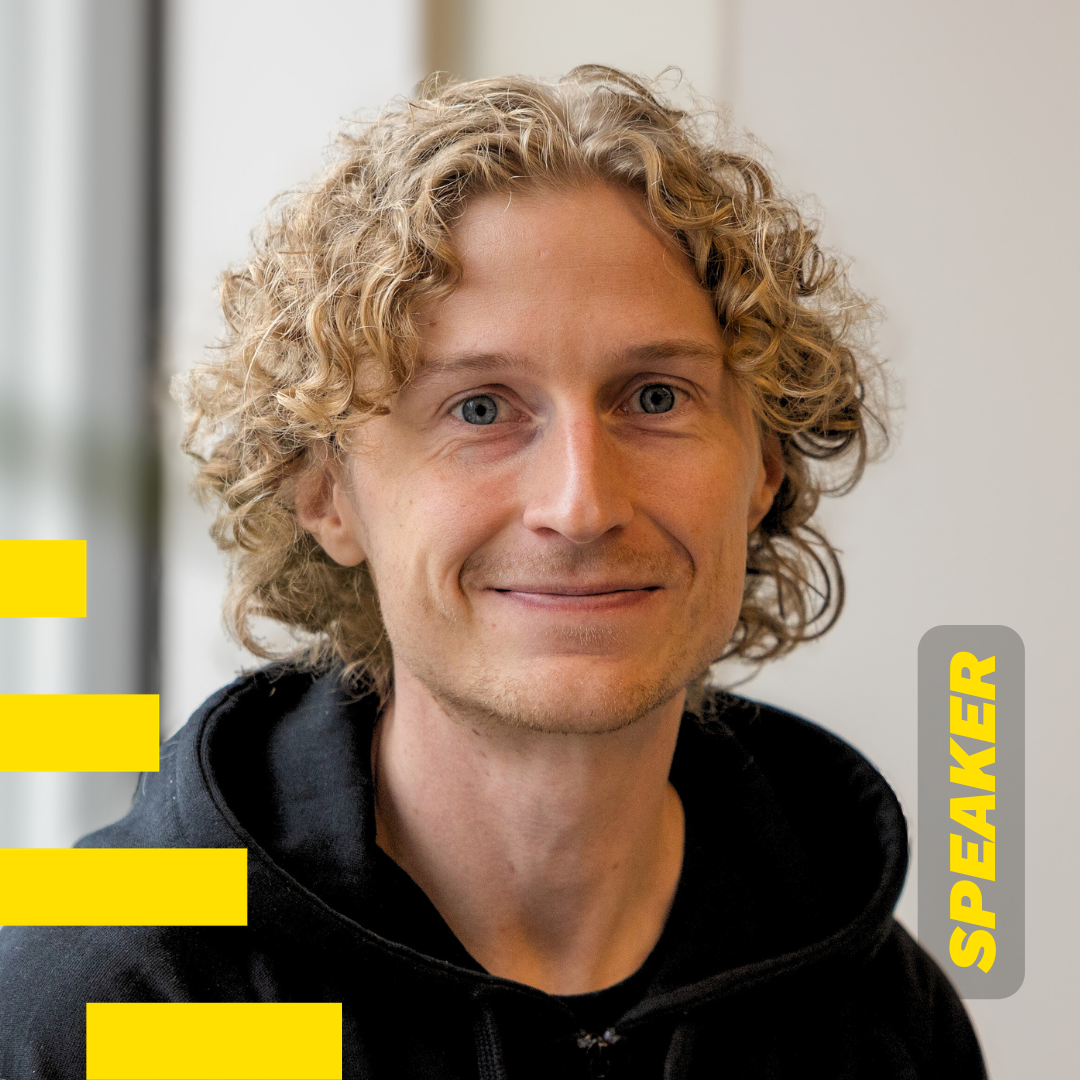
Mikko Lemettilä
Expert (Anti-doping in Recreational Sports), Doctoral Researcher
A-Clinic Foundation
Mikko Lemettilä is a doping prevention expert at A-Clinic Foundation and coordinates the Clean Exercise Commitment -program in Finland. His work focuses on anti-doping activities in recreational sports settings, as well as youth education, together with the Clean Exercise Ambassadors. Mikko has also been involved in international EU-funded substance use prevention projects (IRIS, BOOST, Mindful Muscles) and has delivered numerous trainings for healthcare and sports professionals. Mikko works to strengthen evidence-based prevention approaches for harmful substance use behaviors in sports

The Clean Fitness Center programme (Rent Senter) represents a clear preventive stance against doping in gym and fitness environments. While it does not guarantee doping‑free facilities, it signals a commitment to healthy training cultures and early intervention. This is particularly relevant for young gym users, who may be exposed to risk factors such as performance pressure, body‑image ideals, supplement misuse, and misinformation through social media.
In this talk, Kristoffer presents how the Norwegian model translates prevention principles into daily practice. How participating fitness centres move from signing a formal agreement, to fully integrating anti‑doping rules and regulation into membership terms and daily working routines. The program contains tools where staff complete targeted education, including e‑learning, covering regulations, health risks, warning signs, supplements, and preventive communication. Visible information in the gym environment supports awareness and lowers the threshold for dialogue—especially among younger members.
Finally, Kristoffer shares key lessons from national implementation (597 centres enrolled, 531 certified) and discusses how structured prevention in fitness settings can support broader youth‑focused public‑health strategies.

Kristoffer Lie Loftheim
Advisor
Anti‑Doping Norway
Kristoffer Lie Loftheim is Manager of the Clean Fitness Center (Rent Senter) programme at Anti‑Doping Norway. He is a trained physiotherapist with expertise in preventive anti‑doping work within fitness and gym environments. In his current role, he is responsible for the strategic development, national implementation, and quality assurance of the programme, in close collaboration with fitness centres, industry stakeholders, and public authorities.
Kristoffer is a frequent lecturer on doping prevention, health risks, and operational responses in gym settings. He is also the creator of the Anti‑Doping Officer (ADO) certification course for fitness centres, designed to strengthen competence among key personnel and support consistent, practice‑oriented routines for prevention, detection, and management of doping use in fitness settings. His work focuses on translating policy and public‑health principles into sustainable, real‑world practice.
The presentation will introduce 100% Pure Hard Training, Sweden’s nationally implemented model for preventing the use of doping substances in gym environments. Developed through close collaboration between STAD (a unit within Karolinska Institutet and Region Stockholm), the Police Authority, municipalities, and gyms, this multicomponent model is built on the principle of co-production, which brings together stakeholders who collectively shape both the problem definition and the practical solutions.
We will present the model’s four core components: structured collaboration, training of gym staff, prevention coordinators and police officers, improved enforcement by the Police, and certification of gyms meeting criteria. The session will also highlight the model’s national dissemination across Sweden, illustrating how long-term partnerships have driven rapid scaling. Finally, we will share selected research findings showing that the model increases knowledge and preparedness among key actors, improves structures and routines within gyms, and strengthens local collaboration between police, municipalities, and gyms, while also highlighting barriers to effective implementation.
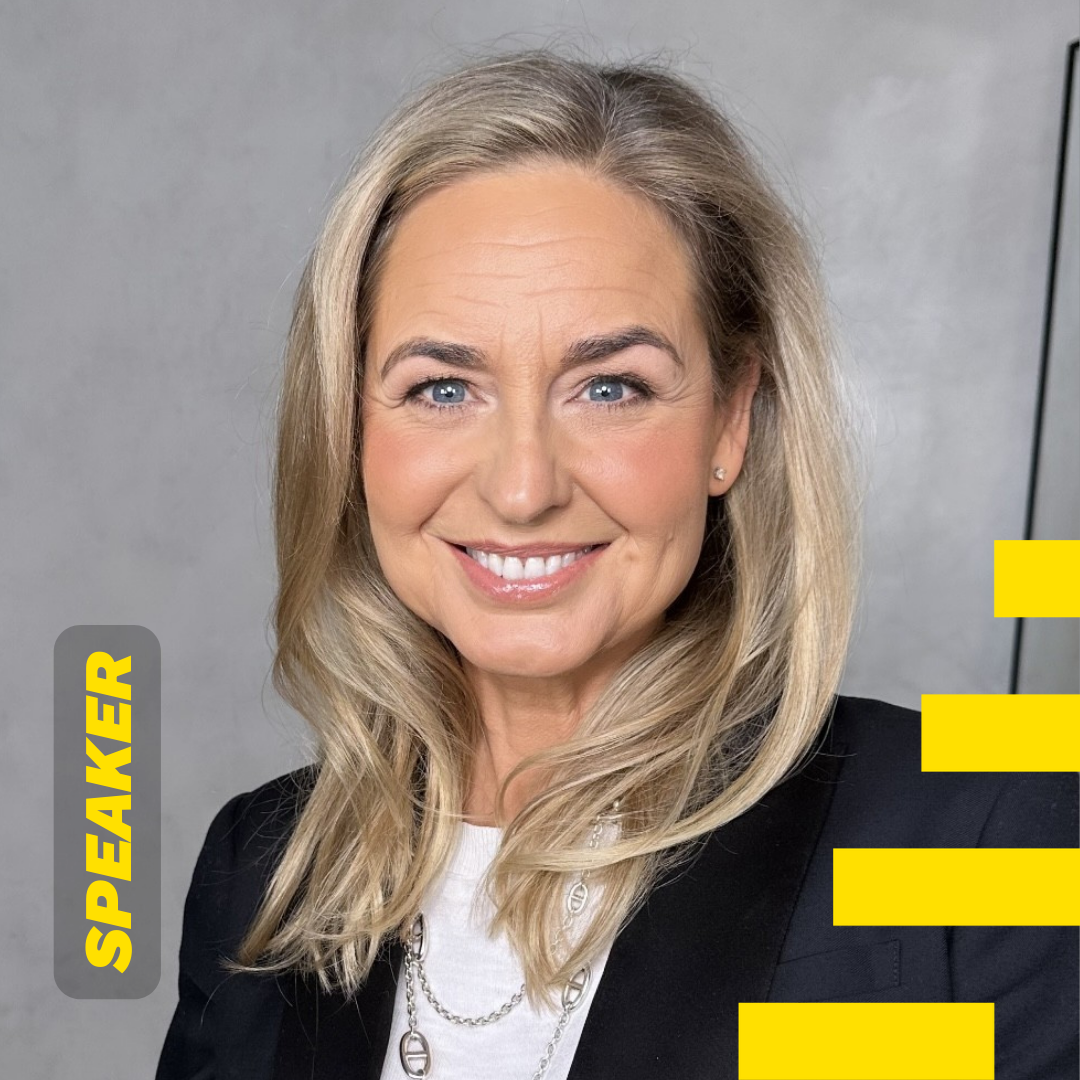
Johanna Gripenberg
PhD, Associate professor
Karolinska Institutet and Director at STAD
Johanna Gripenberg has been working in the public health research field for over twenty years. Her research focus is development, implementation, and evaluation of innovative substance use and mental health community-based interventions in various settings. Multi-component interventions, community mobilization, and co-production of prevention programs are some of her special interests.
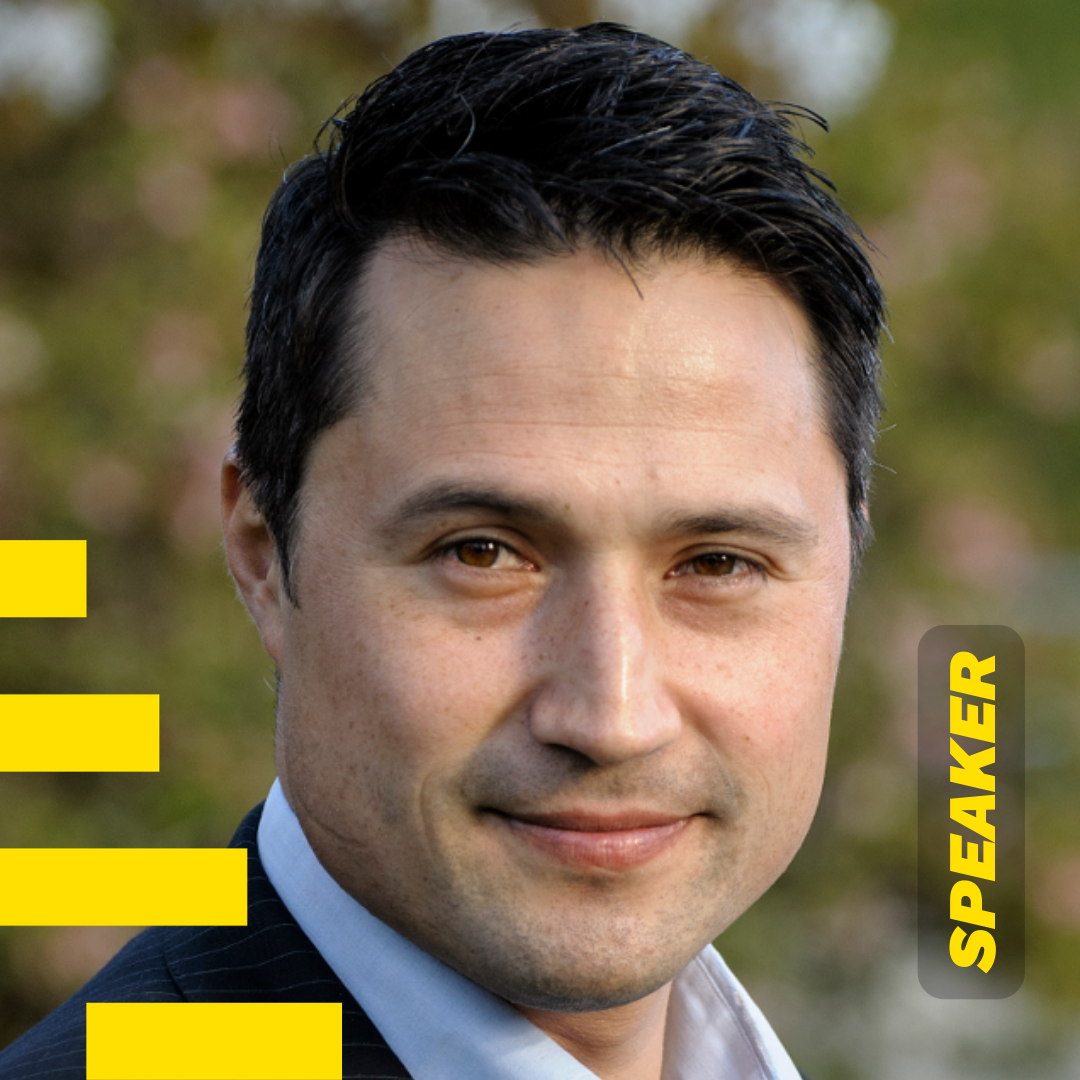
Tobias Elgan
PhD, Associate professor
STAD unit, Karolinska Institutet
Tobias Elgan‘s research focuses on prevention science, particularly the development, implementation, and evaluation of multicomponent interventions targeting substance use in community settings. Much of his work examines prevention strategies in nightlife and recreational environments well as digital interventions aimed at supporting young people growing up in families affected by substance use.
Theme 3 – Youth at risk: Prevention, education and the illicit doping market

Brian Parker
Director of Education
Taylor Hooton Foundation
Brian Parker serves as Director of Education for the Taylor Hooton Foundation – a nonprofit dedicated to preventing the use of Appearance and Performance Enhancing Substances through education, awareness, and advocacy. Founded in 2004 following the passing of Taylor Hooton, the organization has become a recognized voice in addressing the growing public health issue of substance use among youth.
At the core of its work are dynamic educational initiatives like their ALL ME® Assembly Programs which highlight the physical, psychological, and social risks associated with substance use, while promoting integrity and informed decision-making.
The Taylor Hooton Foundation has reached millions of students, athletes, and professionals, contributing to a broader global effort to reframe doping not only as a sport integrity issue, but as a critical public health concern. By prioritizing prevention through education, the Foundation works to empower the next generation to achieve success through safe and ethical means
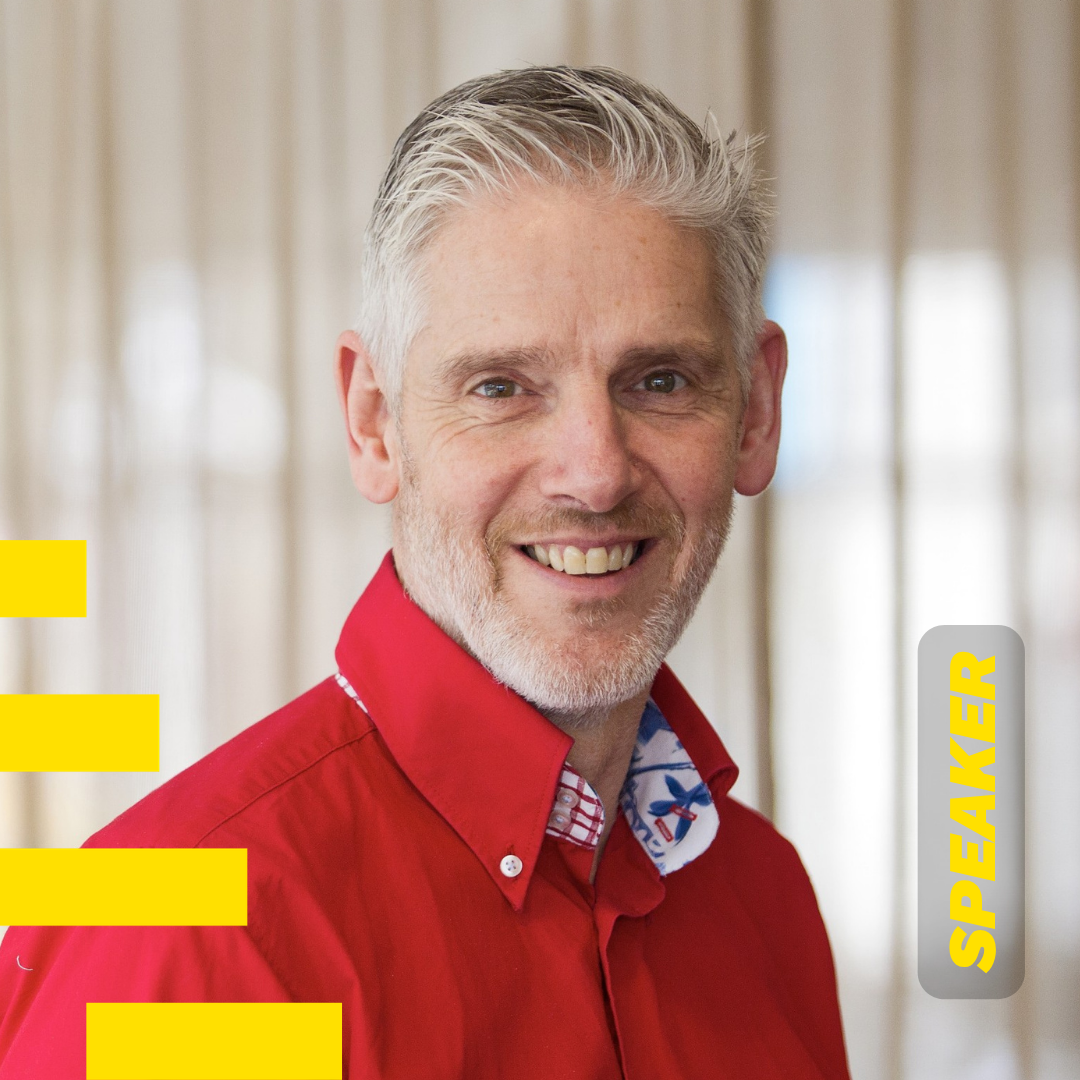
Eric Van Breda
Plv. Chief Operating Officer (COO)
Dopingautoriteit
Em. Prof Dr. Eric van Breda is Deputy Chief Operating Officer at the Dutch Anti-Doping Authority and Emeritus Professor of Health Sciences and Medical Physiology at the University of Antwerp. With a background in physiology and rehabilitation sciences, his work focuses on bridging science, policy, and practice within sport and public health.
He plays a key role in shaping anti-doping governance, education, and the implementation of international standards, with particular expertise in policy development. His recent work centers on innovative approaches to harm reduction and value-neutral information provision, especially for individuals using or considering performance-enhancing substances in recreational sport and fitness contexts.
Eric is committed to advancing realistic, science-informed strategies that improve health outcomes while acknowledging the complexities of modern sport environments.
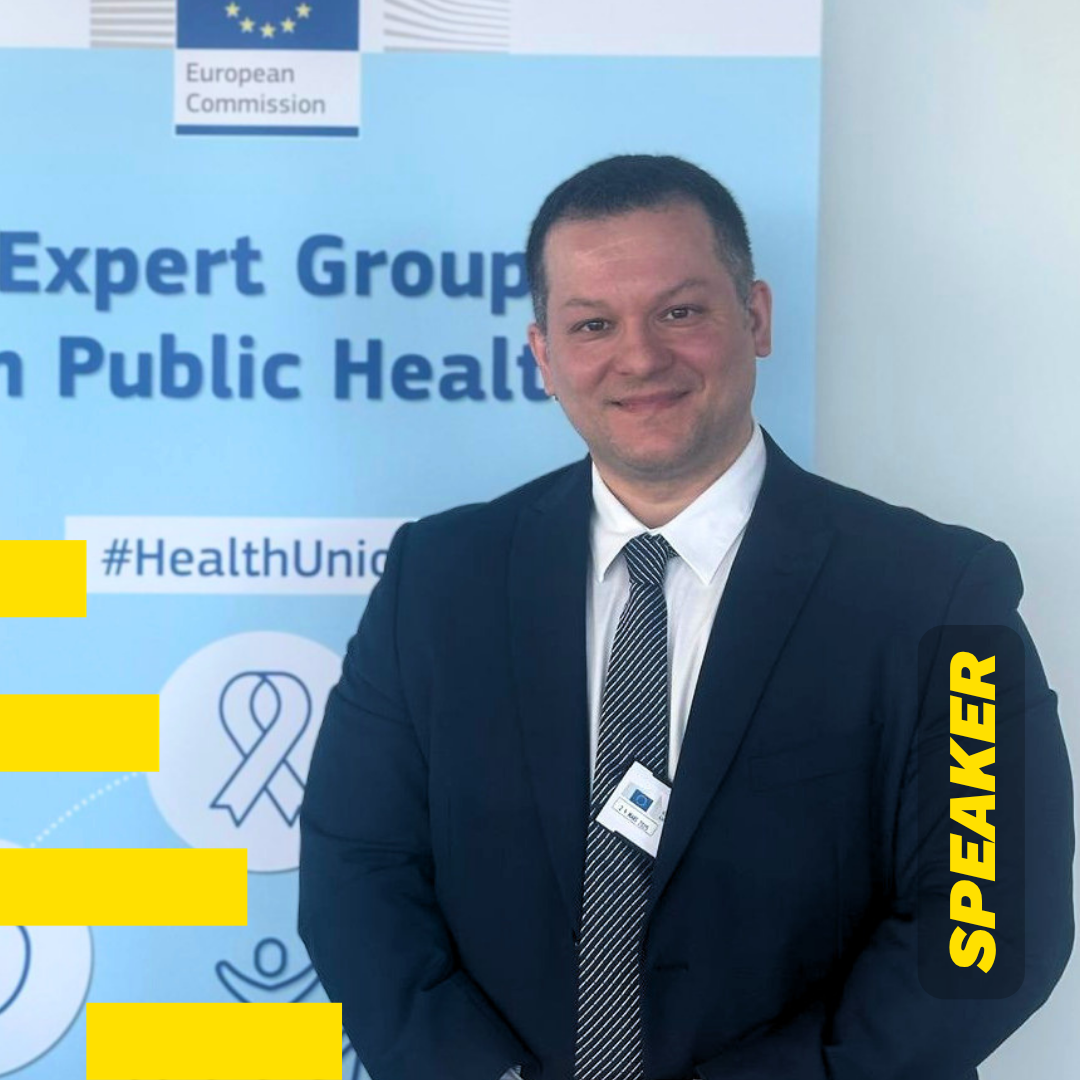
Lambros Lazuras
Professor in Sport & Exercise Science, Director of Research
University of Lincoln
Professor Lambros Lazuras is a world-leading expert in anti-doping research and education, having served as a scientific advisor to the Anti-Doping Unit of the Council of Europe, the European Commission’s Public Health agency (DG SANTE), and National Anti-Doping Organisations. He has led and co-led a large number of Erasmus+ Sport projects in anti-doping education, as well as related research projects funded by the World Anti-Doping Agency, the European Commission, the International Olympic Committee, and UK Anti-Doping. His research has directly contributed to policy recommendations for tackling doping in recreational sport.
Other speakers in the session

Tuomas Korhonen
Finnish Customs
(Bio upcoming)
Theme 4 – Doping use as a public health issue: Substances, harms and high-risk settings

The emergence of the Enhanced Games has reignited global debate regarding performance enhancement, anti-doping, and the future of sport. However, the implications extend far beyond elite competition. This presentation examines the Enhanced Games as part of a broader social and technological shift in which image and performance enhancing drugs (IPEDs), biomedical optimisation, social media, longevity cultures, and consumer enhancement practices are becoming increasingly normalised. Drawing on recent conceptual and empirical work, this presentation explores how enhancement is reshaping relationships between sport, medicine, technology, risk, and the body. It will examine the tensions between prohibition and harm reduction, the downstream implications for tested and non-tested sport, and the potential effects on young people and wider community populations.
Tim Piatkowski
Senior Research Fellow
The University of Queensland
Dr. Timothy Piatkowski is an NHMRC Emerging Leadership Fellow in the School of Public Health at The University of Queensland.
Tim leads one of the world’s most visible programs of research and translation in image and performance enhancing drugs (IPEDs), focusing on creating, implementing, and evaluating real-world, peer-informed responses to IPED use. His work spans community, clinical, and policy settings, translating lived-living experience into practice and system design.
This includes a broad portfolio of initiatives, such as ROIDCheck and Steroid QNECT, alongside other surveillance, engagement, and intervention projects.
His research contributes to international debates on IPED use and innovative harm reduction models.

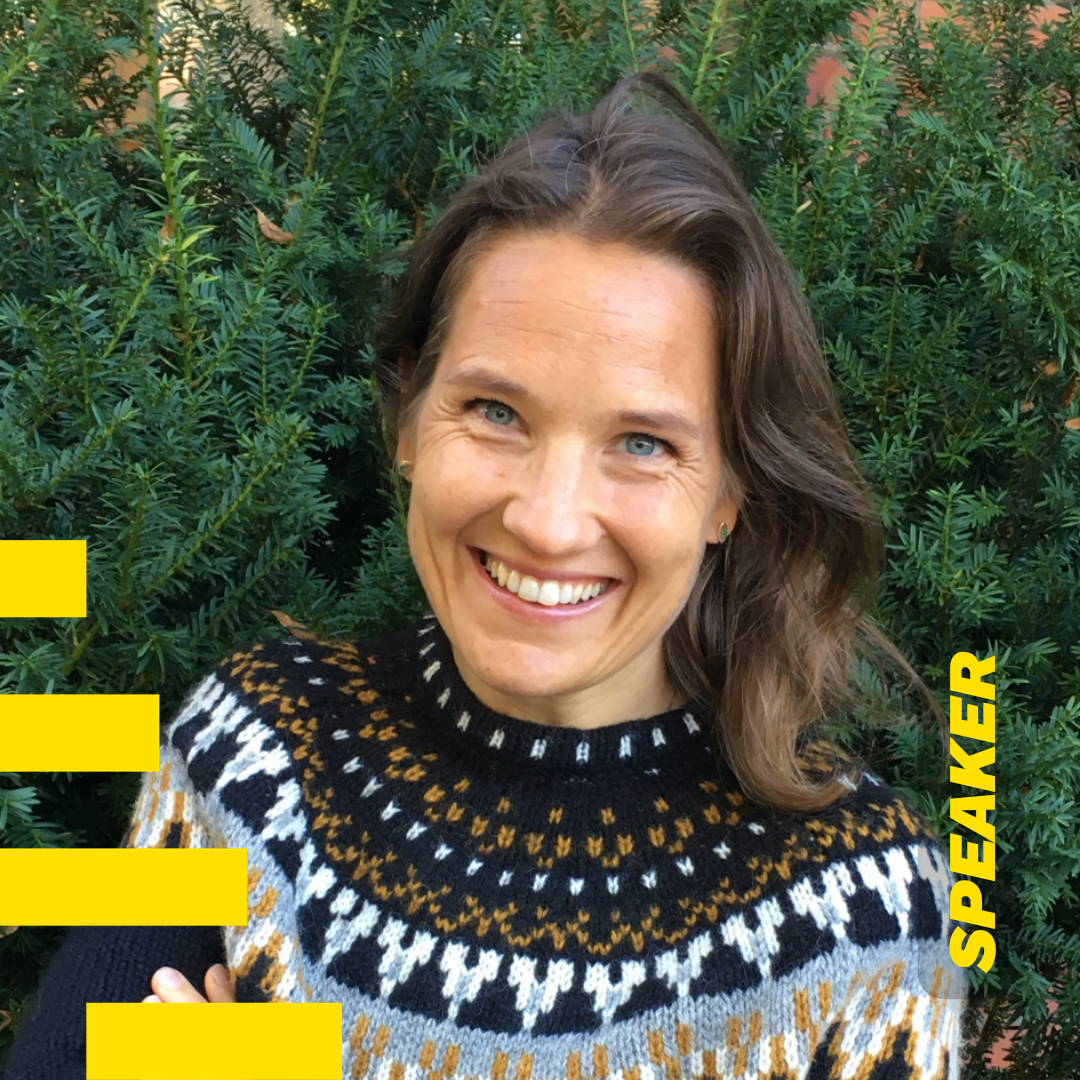
Astrid Bjørnebekk
Senior Researcher, PhD
Anabolic Androgenic Steroid Research Group, Oslo University Hospital
Astrid Bjørnebekk, PhD is a senior researcher at Oslo University Hospital, Norway, where she leads the Anabolic Androgenic Steroid (AAS) Research Group. Her research focuses on the long-term effects of anabolic-androgenic steroid use on the brain, cardiovascular system, endocrine function, and mental health. She is the principal investigator of the longitudinal AAS LONG study, one of the world’s largest prospective studies following AAS users over time. Her work combines neuroimaging, cognitive assessments, cardiovascular examinations, biomarkers, and clinical psychology to better understand the mechanisms underlying AAS-related health consequences, recovery after cessation, and AAS dependence. She has authored numerous publications on AAS and regularly collaborates with international researchers in the field.

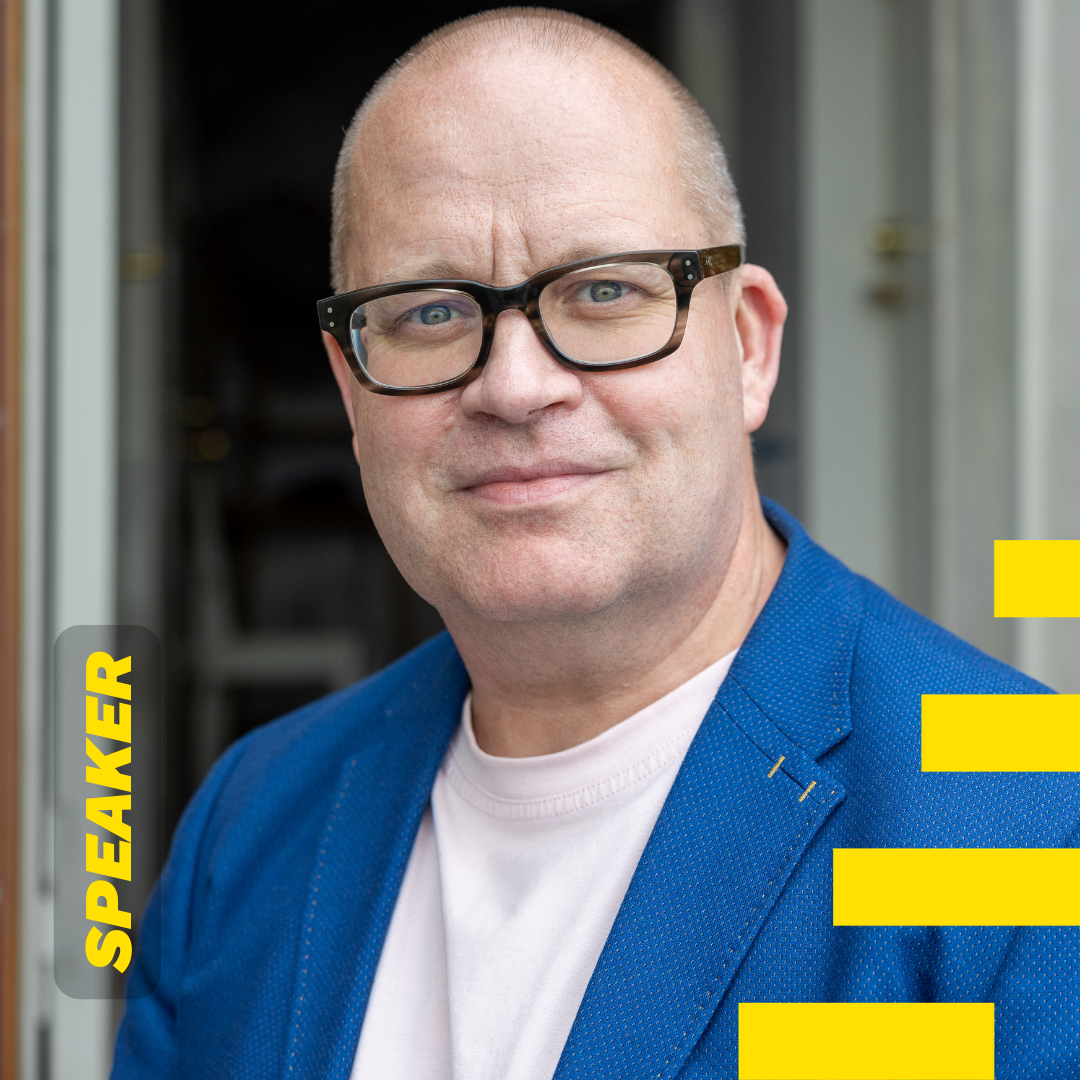
Jukka Koskelo
Research and development director
A-Clinic Foundation
Jukka Koskelo is an anti-doping and health promotion expert: more than 14 years’ experience on anti-doping work in public health, sports medicine projects and project management. He has been leading and collaborating as a coordinator and partner in Erasmus+ projects including e.g. DELTS, IMPACT, Mindful Muscles and IRIS. He has also been an external evaluator of projects funded by UNESCO
Theme 5 – Doping and health: Treatment and human perspectives

Pim de Ronde
MD, PhD
Head of department of Internal Medicine Spaarne Gasthuis and professor of Doping and Health
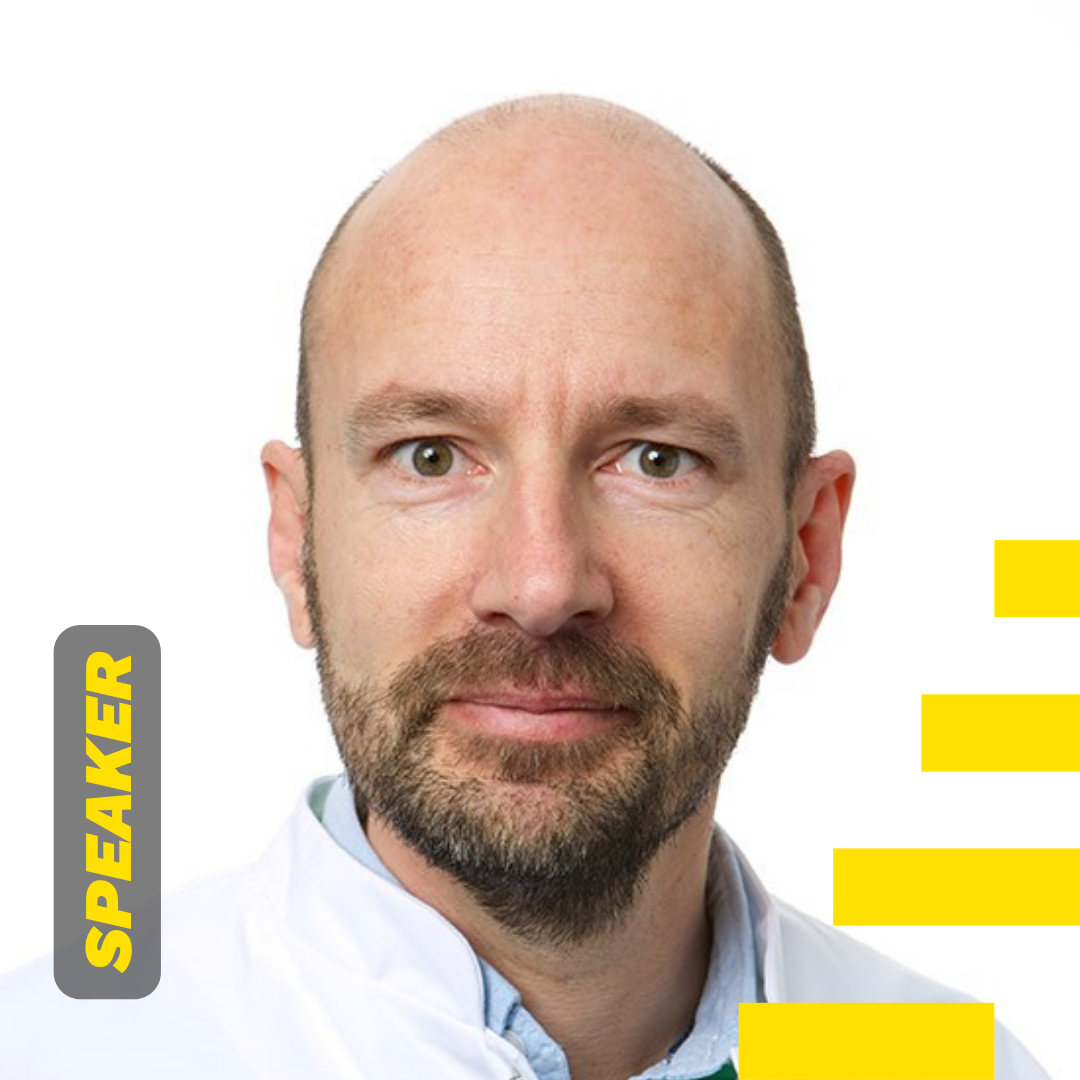
Pim de Ronde is an endocrinologist at Spaarne Gasthuis, widely recognized as an expert in male hormonal health and the medical effects of anabolic steroids. He established a specialized outpatient clinic for (former) steroid users, focusing on harm reduction and the treatment of long-term complications. Through his academic work and clinical practice, De Ronde advocates for a non-judgmental, scientifically-backed approach to performance-enhancing drug users. He is principle investigator of the HAARLEM en HARNAS trials, two landmark scientific studies that document the real-world health risks of anabolic steroid use and evaluate medical interventions aimed at harm reduction for users.
Paula Vauhkonen
MD, PhD, Forensic Pathologist
Finnish Institute for Health and Welfare (THL) & Department of Forensic Medicine, University of Helsinki
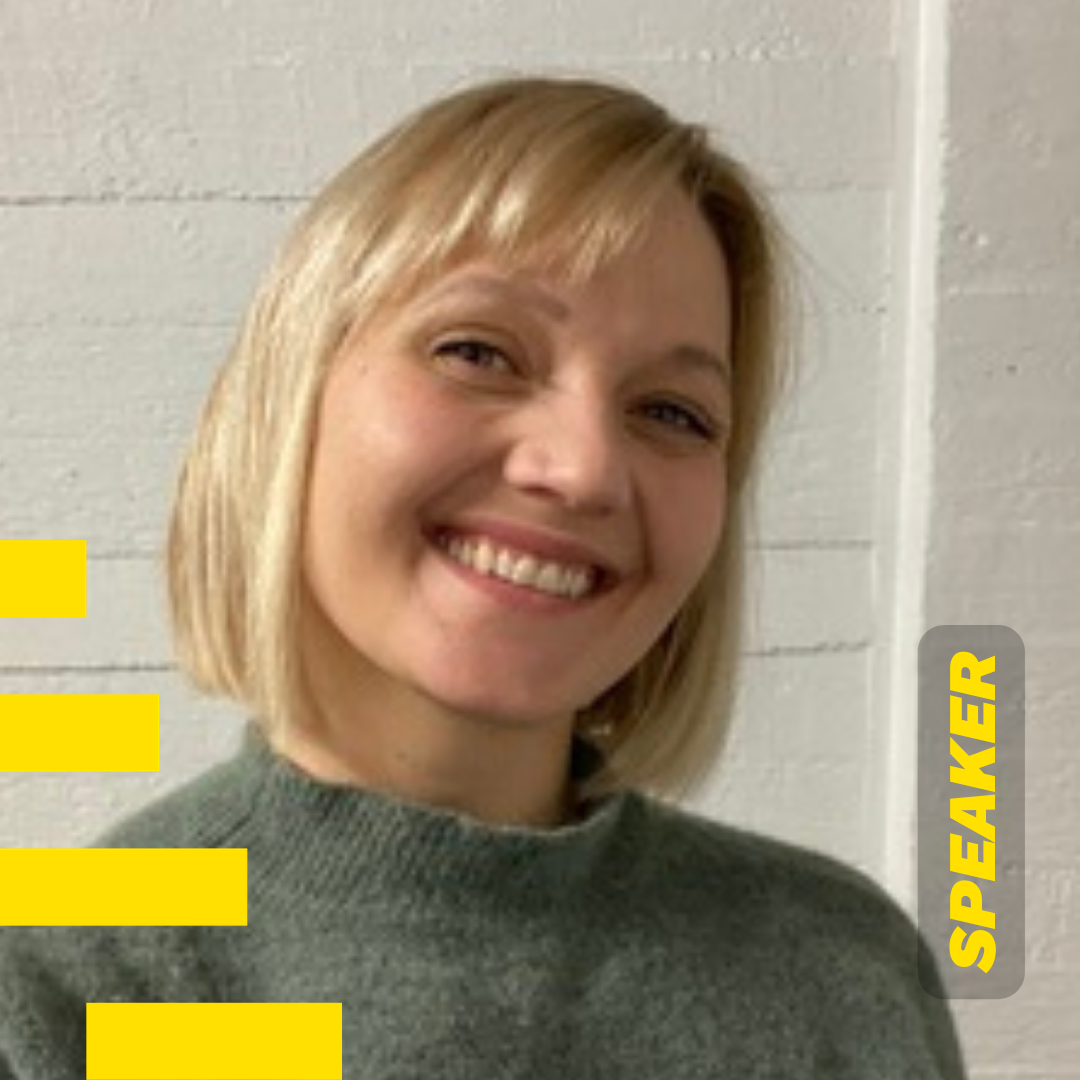
Paula Vauhkonen has extensive experience working with doping substance abuse both as a clinician and researcher. Her research has focused on, among other topics, causes of death among users of anabolic steroids, polysubstance use, as well as the specific characteristics of doping use among women.
She completed her doctoral degree at the University of Helsinki in 2025 with the thesis “Studies on doping use recognition in clinical and forensic medicine.”
In addition, she serves as a medical expert for Dopinglinkki at the A-Clinic Foundation.
At this conference, she will present her latest research on findings from forensic autopsy studies.

Tapani Valkonen
Former bodybuilder and entrepreneur
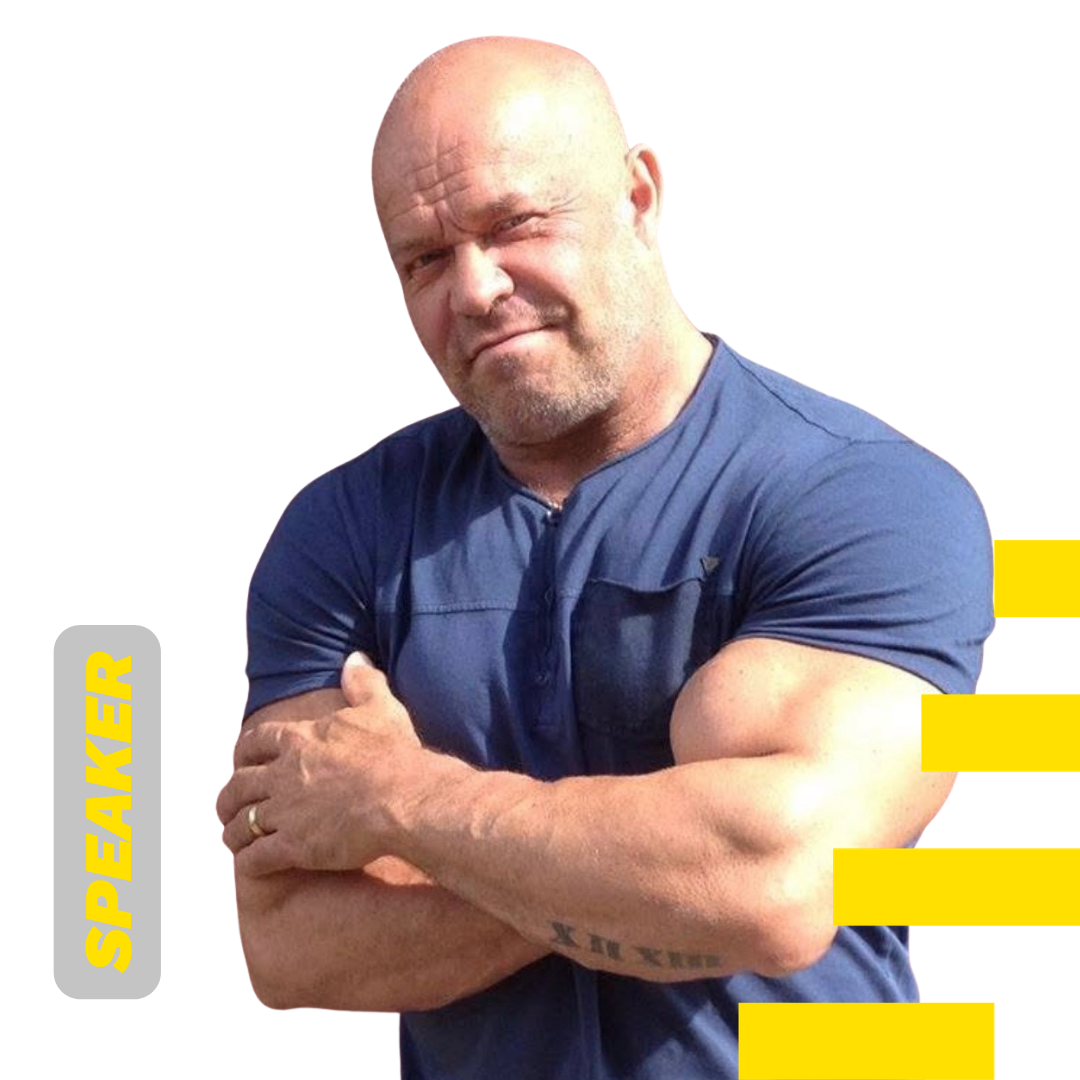
Tapani Valkonen is a former Finnish bodybuilder, coach, entrepreneur, and public figure with decades of experience in the bodybuilding and fitness industry. He is a well-known personality in Finland and has played an active role in the development of Finnish bodybuilding and fitness culture. Throughout his career, Valkonen has spoken openly about performance and image enhancing drugs and their role within competitive bodybuilding and gym culture. Today, he is particularly interested in raising awareness about the risks and potential dependency associated with performance and image enhancing drugs and is concerned about the growing use of these substances among young people.
Other speakers in the session
Ingrid Havnes
Researcher and psychiatrist
Oslo University Hospital
(Bio upcoming)